
Guide To Container 30 Feet: The Intermediate Guide The Steps To Contai…
페이지 정보
작성자 Carl 작성일 26-07-13 11:15 조회 25 댓글 0본문
Understanding 30-Foot Shipping Containers: An In-Depth Guide
In today's world, shipping containers have actually become a necessary element of international trade and logistics. Amongst the numerous sizes readily available, the 30-foot shipping container sticks out for its special benefits and flexibility. This post will dig into the specifics of 30-foot containers, their usages, advantages, and some practical considerations for those interested in acquiring or utilizing them.
What is a 30-Foot Shipping Container?
A 30-foot shipping container is a metal box utilized mainly for carrying goods by sea, land, or rail. It offers a safe and secure, robust, and weatherproof environment for a large range of cargo types. Shipping containers come in different lengths, with 30 feet being a less common yet highly practical size.
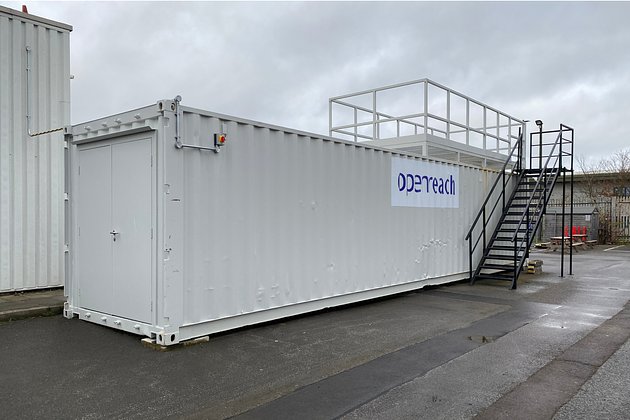
Dimensions of a 30-Foot Container
To much better understand the measurements, here's a fast reference table providing the specifics of a standard 30-foot container:
| Measurement | Size (in feet) | Size (in meters) |
|---|---|---|
| External Length | 30' Container | 9.14 m |
| External Width | 8' | 2.44 m |
| External Height | 8.5' | 2.59 m |
| Internal Length | 29' 5" | 8.99 m |
| Internal Width | 7' 8" | 2.34 m |
| Internal Height | 7' 9" | 2.36 m |
| Maximum Gross Weight | 30,480 pounds | 13,800 kg |
| Volume | 2,390 cubic feet | 67.7 cubic meters |
These measurements make 30-foot containers ideal for numerous uses, from storage to mobile offices.
Typical Uses of 30-Foot Containers
The flexibility of 30-foot containers means they can be utilized in a multitude of methods. Here are some typical applications:
- Shipping and Freight Transport: Ideal for transferring goods that do not require a full-sized 40-foot 30' Container New.
- Storage Solutions: Used for short-term or permanent storage, particularly in building websites or remote places.
- Modular Offices: Many businesses convert containers into functional workplace.
- Pop-up Shops or Markets: Retailers typically utilize containers as momentary stores or kiosks.
- Occasion Spaces: Containers can be changed into unique venues for events or exhibitions.
Benefits of Using a 30-Foot Container
- Cost Efficiency: These containers often come at a lower cost point compared to larger sizes.
- Space-Saving: Perfect for limited areas while still offering ample capability.
- Adaptability: Suitable for diverse applications across various industries.
- Toughness: Made from weather-resistant products, they can endure extreme conditions.
- Easy Mobility: Easier to move than bigger containers, making them perfect for momentary setups.
| Advantage | Description |
|---|---|
| Cost Efficiency | Lower purchase and shipping expenses compared to larger containers. |
| Space-Saving | Suits smaller locations while supplying significant storage. |
| Flexibility | Functional for storage, shipping, and creative conversions. |
| Resilience | Strong construction ensures longevity in various environments. |
| Easy Mobility | Easier to transfer due to smaller sized size, helping with fast setups. |
Factors to consider When Choosing a 30-Foot Container
- Condition: Ensure the container is in excellent condition, whether new or used.
- Customization: Depending on its designated use, think about modifications, such as windows, doors, insulation, or partitioning.
- Availability: Think about where the container will be positioned and how easily it can be accessed.
- Local Regulations: Familiarize yourself with regional zoning laws and codes associated with container use.
- Insurance coverage: Protect your investment with proper insurance protection.
Frequently Asked Question About 30-Foot Shipping Containers
Q1: Can I modify a 30-foot container 30 Shipping Container feet (https://output.jsbin.com/vuqicurahe/) for living or workplace space?A1: Yes, lots of people
customize containers for use as homes, workplaces, and even retail spaces. Modifications frequently include windows, insulation, pipes, and electrical systems. Q2: How much can a 30-foot
shipping container hold?A2: A standard 30-foot shipping container can hold
approximately 2,390 cubic feet of cargo, which translates to around 30,480 pounds. Q3: What is the typical cost of a 30 Foot Containers-foot shipping container?A3: Prices can differ
widely based upon condition (new vs. used), place, and modifications, however generally vary from ₤ 3,000 to ₤ 7,000. Q4: How do I carry a 30-foot shipping container?A4: Transportation can be organized through specialized trucking services that can accommodate the container's measurements. Q5: Are there any upkeep creating unique work spaces, these containers can satisfy diverse requirements across numerous markets. With correct consideration regarding modifications, policies, and maintenance, buying a 30-foot shipping container can be a strategic move that pays off in many ways.
requirements for a shipping container?A5: Regular examinations for rust, leakages, and structural stability are very important to make sure durability and performance. The 30-foot shipping container provides an exceptional blend of flexibility, sturdiness, and cost-effectiveness, making it an attractive alternative for numerous applications. From shipping items to offering ingenious storage services or
- 이전글 10 Things Everybody Hates About German Driving License
- 다음글 Guide To A4 Paper Delivery: The Intermediate Guide To A4 Paper Delivery
댓글목록 0
등록된 댓글이 없습니다.