
Five Killer Quora Answers To Shipping Container Transport
페이지 정보
작성자 Poppy 작성일 26-07-10 19:09 조회 4 댓글 0본문
Shipping Container Transport: An Essential Component of Global Trade
Shipping container transport has actually transformed the way products are transported around the world, making it more efficient and affordable than ever previously. This post will dissect the complexities of shipping container transport, elaborate on its significance in global commerce, and address common concerns that emerge in the logistics industry.
The Evolution of Shipping Container Transport
The concept of shipping items in containers go back to the 1950s. Before the prevalent adoption of containers, goods were packed and unloaded from ships in a labor-intensive process that made transportation slow and troublesome. Malcom McLean, a trucking business owner, is credited with pioneering using standardized shipping containers, which permitted for intermodal transport-- moving cargo effectively throughout various transport modes, such as trucks and trains.
Table 1: Timeline of Key Developments in Shipping Container Transport
| Year | Event |
|---|---|
| 1956 | First containerized shipping service introduced |
| 1966 | International Organization for Standardization (ISO) develops container dimensions |
| 1970 | Intro of the very first devoted container ship |
| 1980s | Surge in international trade results in increased container traffic |
| 2000s | Development of mega-container ships, increasing efficiency |
How Shipping Container Transport Works
The shipping container transport procedure includes numerous stages:
Container Loading: Dry Storage Containers are loaded at the maker's center, often using cranes and other equipment to ensure quick operation.
Transport to Port: Loaded containers are transported by means of trucks or trains to the nearby shipping port.
Customs Clearance: Before containers can be loaded onto vessels, they must pass through customs, where they are inspected, and duties are evaluated.
Vessel Loading: Once cleared, containers are filled onto cargo ships, frequently utilizing specialized cranes.
Ocean Transport: Containers are carried throughout oceans to their location ports.
Port Handling: Upon arrival at the destination port, containers are unloaded and transported to their last destination, often by means of trucks or trains.
Table 2: Modes of Transport in Container Shipping
| Mode | Description | Advantages | Drawbacks |
|---|---|---|---|
| Rail | Trains transport containers overland | Cost-effective for long distances | Restricted by rail facilities |
| Trucking | Trucks transport containers from ports to inland areas | High flexibility, door-to-door service | Higher expenses for cross countries |
| Shipping | Cargo ships transport containers across oceans | Cost-effective for big volumes | Slower transit times |
Advantages of Shipping Container Transport
Shipping container transport has numerous benefits that make it essential for modern trade:
1. Performance:
Containerization lowers managing time, allowing for faster loading and unloading, which speeds up overall transit times.
2. Cost-Effectiveness:
By combining items into a single container, carriers can make the most of economies of scale, decreasing shipping expenses per system.
3. Security:
Containers supply a safe way to transport products, minimizing theft and damage during transit.
4. Intermodal Flexibility:
Shipping containers can be easily transferred between ships, trucks, and trains, facilitating seamless transportation throughout multiple modes.
5. Standardization:
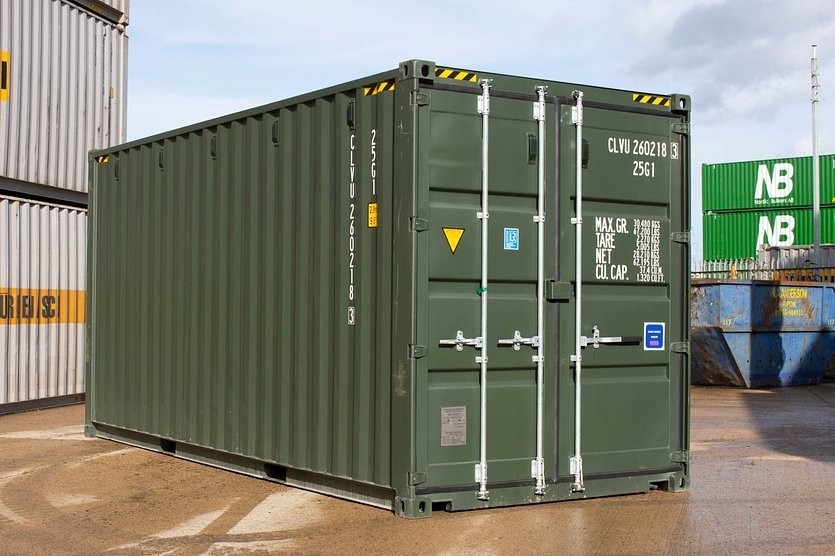
Uniform container sizes streamline packing and discharging procedures, decreasing time and labor costs.
Difficulties in Shipping Container Transport
Regardless of its numerous benefits, shipping container transport faces some challenges, including:
1. Port Congestion:
Busy ports can result in delays in packing and dumping procedures.
2. Customs Compliance:
Navigating complex customs regulations can make complex shipping schedules.
3. Environmental Impact:
While shipping is normally more effective than other kinds of transport, it still contributes to carbon emissions.
4. Supply Chain Disruptions:
Global events, such as pandemics or geopolitical stress, can interrupt shipping paths and schedules.
The Future of Shipping Container Transport
As global trade continues to broaden, innovations in shipping container transport are most likely to emerge. Technological developments, such as digital tracking systems and automated loading/unloading procedures, are already making waves in the market. Furthermore, there is a growing focus on sustainable practices to minimize the ecological impact of shipping activities.
Table 3: Emerging Trends in Shipping Container Transport
| Pattern | Description |
|---|---|
| Digitalization | Execution of IoT and blockchain for real-time tracking |
| Automation | Use of robots and AI for loading/unloading containers |
| Sustainability Initiatives | Adoption of greener fuels and environmentally friendly shipping practices |
| Increased Use of Mega-Ships | Larger vessels to make the most of cargo capability and decrease costs |
Frequently Asked Questions (FAQs)
1. What kinds of products can be transported in shipping containers?
Shipping containers can transport a large range of items, including basic materials, manufactured items, perishables, and harmful products, provided they satisfy security guidelines.
2. How long does it require to deliver a container overseas?
Transit times differ based upon the shipping path, weather conditions, and port blockage. Normally, shipping from Asia to North America can take 2-6 weeks.
3. What is a TEU?
A Twenty-foot Equivalent Unit (TEU) is a basic measurement Buy Used Shipping Containers in the shipping industry to quantify cargo capability. One TEU is comparable to a basic 20-foot shipping container.
4. How are shipping expenses calculated?
Shipping costs are affected by numerous aspects, consisting of distance, container size, weight, and the chosen transport approach (shipping, rail, or truck).
5. Exist insurance coverage options readily available for container shipments?
Yes, carriers can acquire cargo insurance to secure versus loss or damage throughout transportation.
Shipping Container Conversion container transport stays a cornerstone of international trade, driving worldwide commerce and linking markets throughout various continents. In spite of facing certain difficulties, the advantages-- efficiency, cost-effectiveness, and security-- make it an indispensable part of today's economy. As the market continues to evolve, welcoming new technologies and sustainable practices will ensure that shipping container transport stays a crucial gamer in the future of international trade.
- 이전글 Guide To Best Crypto Casino: The Intermediate Guide On Best Crypto Casino
- 다음글 Best Online Crypto Casino Tips To Relax Your Daily Life Best Online Crypto Casino Technique Every Person Needs To Be Able To
댓글목록 0
등록된 댓글이 없습니다.