
You'll Never Guess This High Cube Shipping Containers's Benefits
페이지 정보

본문
Understanding High Cube Shipping Containers: A Comprehensive Guide
High cube shipping containers have ended up being a staple in the worldwide shipping and storage industries. Understood for their additional height compared to standard containers, they use distinct benefits that cater to a range of logistical needs. This blog site post aims to offer a thorough exploration of high cube Shipping Container Leasing containers, their specifications, advantages, and typical usages.
What are High Cube Shipping Containers?
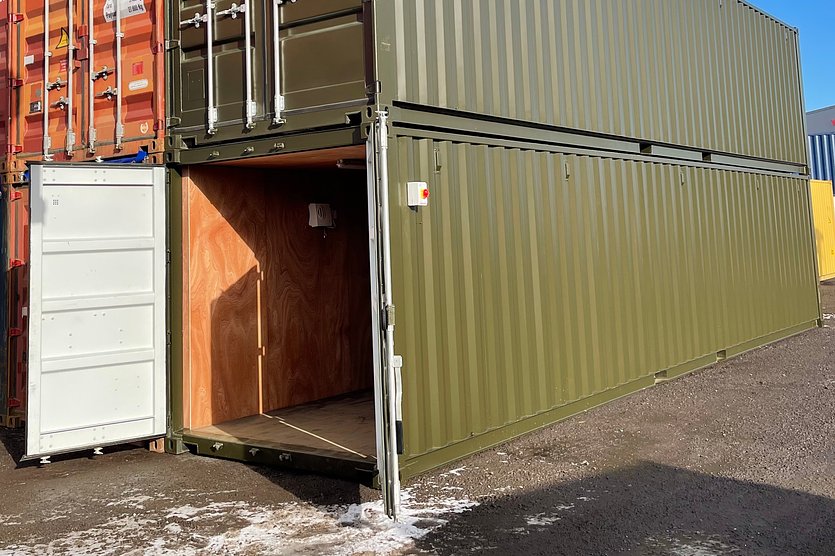
High cube shipping containers are essentially basic shipping containers that are taller than average. While a regular shipping container is generally 8.5 feet high, high cubes stand at 9.5 feet. This small increase in height can make a considerable difference when it comes to optimizing space and shipping effectiveness.

Specs
Below is a contrast table illustrating the requirements of standard vs. high cube shipping containers:
| Container Type | External Dimensions (L x W x H) | Internal Dimensions (L x W x H) | Volume | Weight Capacity |
|---|---|---|---|---|
| Standard Container | 20' x 8' x 8.5' | 19' 4" x 7' 8" x 7' 10" | ~ 1,172 cu feet | 44,000 lbs |
| High Cube Container | 20' x 8' x 9.5' | 19' 4" x 7' 8" x 8' 10" | ~ 1,300 cu feet | 44,000 pounds |
| Requirement Container | 40' x 8' x 8.5' | 39' 5" x 7' 8" x 7' 10" | ~ 2,390 cu feet | 67,200 pounds |
| High Cube Container | 40' x 8' x 9.5' | 39' 5" x 7' 8" x 8' 10" | ~ 2,700 cu feet | 67,200 lbs |
Advantages of High Cube Shipping Containers
High cube shipping Conex Containers offer several advantages over their standard equivalents. Here are some engaging reasons that services turn to high cubes:
Increased Storage Capacity: The extra height provides extra space, permitting more goods to be saved without increasing the container's footprint.
Versatility: High cube containers can accommodate taller products, making them ideal for organizations dealing with extra-large items, equipment, or equipment.
Better for Airflow: The additional height can likewise improve ventilation, which is vital for particular types of cargo that might be delicate to humidity or temperature.
Container Modifications: They are frequently more adaptable for repurposing into living areas, offices, or pop-up shops due to their increased internal volume.
Relieve of Loading: The greater interior allows for much easier stacking of goods, lowering the risk of damage throughout transit.
Typical Uses of High Cube Shipping Containers
High cube shipping containers are not just for Shipping Container Solutions; they have a vast array of applications, consisting of:
Warehouse Storage: Businesses often use high cubes for on-site storage solutions.
Momentary Offices: These containers can be modified into functional office for construction websites or occasions.
Homes and Living Spaces: More individuals are using high cubes in container homes due to their roomy interiors.
Retail Space: High cubes can be transformed into retail pop-up stores, providing versatility for services.
Mobile Workshops: High cubes can be equipped with tools and equipment, making them ideal for mobile workshops or trade tasks.
Frequently Asked Questions about High Cube Shipping Containers
1. Are high cube containers more expensive than basic containers?
Normally, high cube containers do cost more than standard containers due to their increased height and space. Nevertheless, the price can differ based upon size, condition, and additional modifications.
2. What is the optimum load capability for a high cube container?
A high cube container generally has the very same weight capacity as a basic container, varying from 44,000 lbs for a 20-foot container to 67,200 pounds for a 40-foot container. However, the actual functional weight might differ based on local regulations and shipping requirements.
3. Can high cube containers be stacked?
Yes, high cube containers can be stacked much like standard containers. In truth, their design permits for efficient stacking, which is essential for taking full advantage of area on cargo ships, trains, and storage centers.
4. Are high cube containers suitable for all types of cargo?
While high cube containers are flexible, they may not be suited for specific cargo types that have particular shipping requirements. It is necessary to assess the nature of the items being transported to make sure compatibility.
5. What are the normal products used in high cube containers?
High cube containers are generally made from corten steel, which is known for its resilience and resistance to corrosion. Some containers may also include wood or metal flooring.
6. How do I clean and maintain a high cube container?
Routine maintenance includes inspecting for rust, making sure the seals are undamaged, and cleaning up both the interior and exterior surfaces. Basic detergent and water can be used for cleaning, while a soft brush can assist eliminate any debris.
High cube shipping containers are an outstanding investment for a variety of usages, from Shipping Container Depot and storage to creating momentary structures. Their increased height uses distinct benefits that can considerably benefit organizations and individuals alike. Understanding the requirements, benefits, and potential applications of high cube containers is essential for anyone considering their usage. As the shipping market continues to progress, high cube containers will undoubtedly stay an important part of efficient logistics and innovative design solutions. Whether for commercial or personal usage, high cube containers can supply significant worth and adaptability.
- 이전글See What New Crypto Casino Tricks The Celebs Are Making Use Of 26.07.11
- 다음글A Brief History Of Crypto Casino History Of Crypto Casino 26.07.11
댓글목록
등록된 댓글이 없습니다.