
10 Facts About Intermodal Containers That Will Instantly Bring You To …
페이지 정보

본문
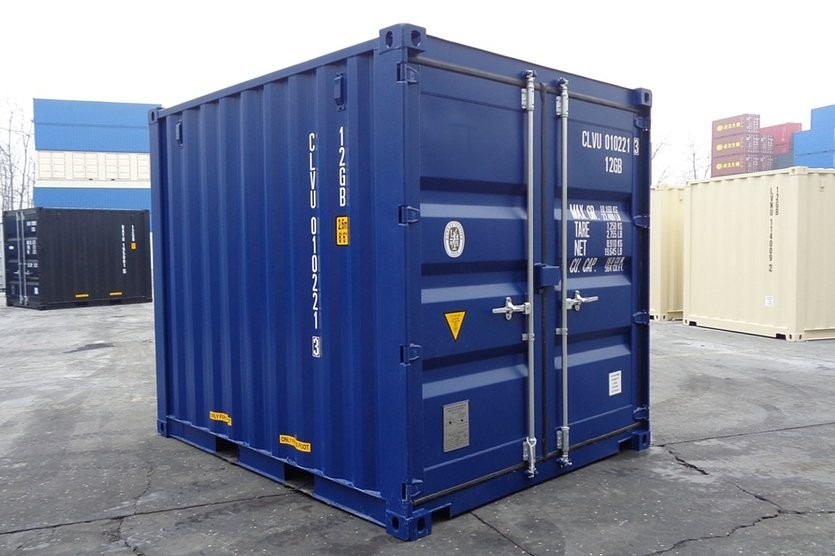
Understanding Intermodal Containers: The Backbone of Modern Logistics
In an increasingly globalized world, the motion of items across fars away has actually become a vital part of global trade. At the heart of this logistical revolution are intermodal containers, which have actually changed how items are carried from one location to another. This article aims to supply a comprehensive introduction of intermodal containers, their usages, benefits, and types, while resolving often asked questions.
What Are Intermodal Containers?
An intermodal container, often described as a Shipping Container Depot container, is a standardized container developed for transferring items across different modes of transport-- such as ships, trains, and trucks-- without the need for filling and unloading the contents. These containers can be sealed for security and are developed to endure different environmental conditions.
Secret Features of Intermodal Containers
- Standardized Sizes: Most intermodal containers can be found in standard dimensions, mainly 20-foot and 40-foot lengths, however also include other variations.
- Sturdiness: Made from materials like steel or aluminum, these containers are developed to stand up to harsh weather and rough handling.
- Security: With locking mechanisms and the ability to be sealed, intermodal containers use defense versus theft and tampering.
The Importance of Intermodal Containers in Logistics
Intermodal containers play a pivotal role in modern logistics for several factors:
- Efficiency: They enable smooth shifts between different transport modes, reducing loading and unloading times.
- Cost-Effectiveness: The standardization and adaptability of these containers reduce total transport costs.
- Versatility: Intermodal containers can carry numerous types of cargo, from dry items to refrigerated items, making them suitable for many industries.
- Sustainability: The efficiency of intermodal transport can result in minimized carbon emissions when compared to other freight transport methods.
Kinds Of Intermodal Containers
Intermodal containers are available in different types, each developed for specific cargo requirements. Below is a table summing up the most common types:
| Container Type | Description | Typical Uses |
|---|---|---|
| Dry Storage Container | Standard container used for basic cargo. | Customer items, electronics. |
| Reefer container conversion ideas | Refrigerated container used to transport disposable items. | Food items, pharmaceuticals. |
| Open Top Container | Shipping Container Design with a detachable top for filling oversized cargo. | Heavy equipment, big equipment. |
| Flat Rack Container | A container with no side walls, suitable for holding big and heavy cargo. | Cars, heavy machinery. |
| Tank Container | A container developed for transporting liquids and gases. | Chemicals, fuels. |
| High Cube Container | Comparable to standard containers but taller, enabling for more cargo capability. | Bulky products, additional items. |
Advantages of Using Intermodal Containers
The adoption of intermodal containers has revealed numerous advantages. Here's a list of the key benefits:
- Streamlined Processes: Simplifies the logistics process by enabling the same container to be used throughout the entire journey, lowering handling times.
- Enhanced Security: Their robust design and locking abilities assist safeguard items throughout transit.
- Multi-Modal Capability: Facilitates transportation through different modes, minimizing the risk of cargo damage and loss.
- Cost Savings: By optimizing space and minimizing labor requirements, Shipping Container Cabin expenses can be considerably decreased.
- Global Reach: Facilitates international trade by making it much easier to transfer products across borders.
Difficulties Associated with Intermodal Containers
Despite their myriad advantages, intermodal containers are not without difficulties. Some of these consist of:
- Standardization Issues: While many containers are standardized, variations exist that can make complex logistics.
- Managing Equipment: Requires specific handling devices (e.g., cranes, forklifts) which might not be universally readily available.
- Custom-mades Delays: International transport can be based on customs policies which can lead to hold-ups.
- Facilities Limitations: Not all areas have the needed infrastructure to support intermodal transport.
Regularly Asked Questions
1. What are the basic dimensions of intermodal containers?
The most common dimensions are:
- 20 feet (length) x 8 feet (width) x 8.5 feet (height)
- 40 feet (length) x 8 feet (width) x 8.5 feet (height)
- High cube containers usually have a height of 9.5 feet.
2. How are intermodal containers carried?
Container transport generally involves a three-phase procedure: packing at the point of origin, transport through truck or rail to a port, and Shipping Container Modification by sea to the location point.
3. How do I select the ideal kind of container for my cargo?
Picking the best container depends upon the nature of your cargo. For instance, perishable products require reefer containers, while large machinery might need open-top or flat-rack containers.
4. Are intermodal containers environmentally friendly?
Yes, intermodal transport is generally more environment-friendly compared to other freight transport approaches due to its effectiveness and reduced carbon emissions.
5. Can intermodal containers be used for storage?
Yes, intermodal containers can be used as portable storage solutions due to their resilience and weather resistance.
Intermodal containers have actually changed the way goods are carried around the world, supplying a seamless, efficient, and cost-efficient method for logistics companies. Understanding their types, advantages, and the challenges they present is essential for companies participated in international trade. As global trade continues to develop, intermodal containers will remain an important element of supply chain strategies, driving efficiency and sustainability in the years to come.
- 이전글What's The Job Market For Top Crypto Casino Professionals? 26.07.08
- 다음글15 Top Crypto Casino USA Bloggers You Must Follow 26.07.08
댓글목록
등록된 댓글이 없습니다.